
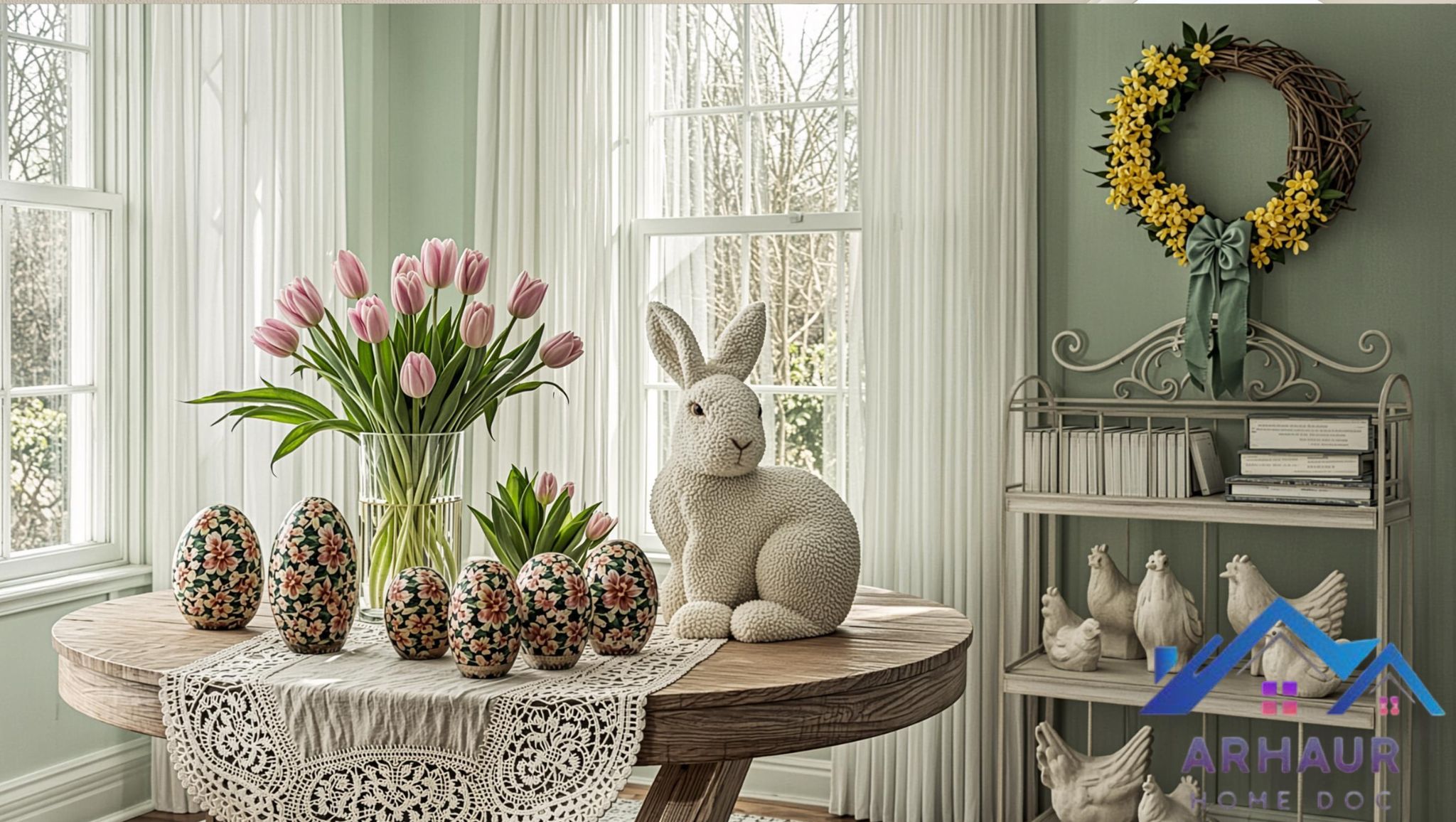
Easter Home Decor Ideas for a Fresh, Stylish Spring Home
There is something especially satisfying about giving your home a fresh start after winter. Easter home decor brings that feeling indoors through softer colors, natural textures, fresh flowers, cheerful table settings, and small seasonal details that make familiar rooms feel renewed.
The best part is that decorating for Easter does not require covering every surface with pastel eggs and bunny ornaments. A few thoughtful changes can create a home that feels festive, welcoming, and unmistakably springlike while still reflecting your usual interior style.
Your approach can be playful, traditional, rustic, elegant, or completely minimal. A family home may benefit from colorful crafts and an egg-hunt station, while a more formal space might rely on tulips, linen, glassware, and carefully selected seasonal accents.
What matters most is creating an atmosphere that feels good to live in. Whether you are hosting Easter lunch, welcoming relatives, entertaining children, or simply enjoying the changing season, the right decorations can make everyday moments feel more meaningful.
What Is Easter Home Decor?
Easter home decor includes seasonal colors, natural materials, floral displays, table decorations, ornaments, wreaths, textiles, and handmade details used to celebrate Easter and the arrival of spring. Familiar symbols include eggs, rabbits, chicks, nests, lambs, blossoms, branches, and fresh greenery.
These elements can be used literally or interpreted in a more understated way. A colorful rabbit figurine creates a playful mood, while a bowl of speckled eggs beside flowering branches feels quieter and more sophisticated. Both approaches are appropriate when they suit the room and the people who live there.
Infographic: “A Balanced Easter Decorating Formula” featuring five elements—spring color, natural greenery, one seasonal symbol, layered texture, and a personal handmade detail. Alt text: Infographic showing five elements for creating balanced Easter decorations at home.
Seasonal decorating works best when it complements the existing interior rather than competing with it. A traditional home may suit vintage-style rabbits and floral china, while a modern space may look better with sculptural ceramic eggs, clean-lined vases, and a limited color palette.
The goal is not to transform the home into a themed display. It is to add enough seasonal character that the rooms feel fresh, cheerful, and ready for spring gatherings.
How to Plan Easter Home Decor That Feels Cohesive
Before buying decorations, decide how you want your home to feel. Words such as cheerful, natural, elegant, nostalgic, playful, or peaceful can guide every choice that follows.
Next, look at the colors and materials already present in your home. Seasonal accents will feel more intentional when they connect with existing furniture, artwork, and textiles. A room with warm wood and cream upholstery may suit sage green, butter yellow, and terracotta. A cooler gray interior may work better with pale blue, lilac, white, and silver.
Choose two or three recurring seasonal elements instead of introducing every Easter symbol available. For example, you might focus on:
- Flowering branches and fresh greenery
- Speckled eggs in muted colors
- Woven baskets and natural linen
- Small rabbit details
- Spring flowers in simple vessels
Repeating those elements in several rooms creates continuity. The decorations do not need to match exactly, but they should feel as though they belong to the same overall story.
Choose a Spring Color Palette
Color establishes the mood more quickly than almost any other decorating choice. Traditional Easter palettes often include pink, yellow, blue, lilac, mint, and white, but these shades can be adjusted to suit different interiors.
Soft Pastels
Pastels create a light and familiar Easter atmosphere. Instead of using every pastel equally, choose one dominant shade and one or two supporting colors. Pale blue with cream and soft yellow feels fresh, while blush pink with sage and ivory creates a warmer look.
Pastel shades are particularly effective through napkins, candles, ribbons, flowers, cushions, and painted eggs. Keeping larger furniture and surfaces neutral prevents the room from feeling overly sweet.
Earthy Spring Colors
Muted green, clay, mustard, warm white, dusty rose, and natural brown create a more organic interpretation of the season. These colors pair beautifully with wood, stone, linen, jute, and handmade pottery.
An earthy palette is ideal for rustic, farmhouse, Scandinavian, and relaxed contemporary homes. It also allows seasonal decorations to remain useful beyond Easter.
Bright and Playful Color
Families with young children may prefer stronger shades such as turquoise, coral, sunny yellow, grass green, and purple. Use bright colors in concentrated areas, such as an activity table, egg-hunt display, or children’s place settings.
A white or neutral background will help bold decorations feel energetic rather than chaotic. Repeating the same colors in ribbons, eggs, paper crafts, and tableware creates visual order.
Elegant Neutrals
White, cream, taupe, pale gray, light wood, and touches of gold or black can create a refined Easter setting without relying on obvious pastels. Interest comes from texture, shape, and natural materials.
Try white ceramic eggs, linen napkins, glass candleholders, moss, flowering branches, and woven placemats. The result feels seasonal but restrained.
Decorating the Entryway
The entryway is the first place guests experience, so even a small seasonal update can set the mood for the rest of the home. Begin with the front door by adding a wreath made from greenery, dried flowers, twigs, moss, or painted wooden eggs.
A hallway console can hold a vase of branches, a shallow bowl of decorated eggs, and a small framed spring print. Keep practical space available for keys, bags, and everyday items so the display does not interfere with how the area functions.
For homes with children, place a small Easter basket near the entrance with clues, activity sheets, or empty bags for an egg hunt. A chalkboard sign or handwritten welcome message adds personality without requiring expensive decorations.
Easter Living Room Ideas
The living room usually needs only a few well-placed accents. Replace heavy winter throws with lighter cotton or linen blankets, then introduce cushions in spring colors or subtle botanical patterns.
Style the coffee table with one central arrangement rather than several unrelated ornaments. A tray can hold a small vase, candle, decorative egg, and a stack of books. Grouping items makes the display feel intentional and keeps the surface easy to clear.
Branches are especially useful because they provide height and seasonal character without occupying much space. Place cherry blossom, pussy willow, forsythia, or leafy branches in a substantial vase. Lightweight eggs can be hung from the branches with narrow ribbon for a traditional Easter tree.
When using artificial branches, choose stems with natural variations in shape and color. Bend them gently rather than arranging every stem at the same angle. You may read this: Best Home Bar Decor Ideas for a Stylish Entertaining Space.
Styling a Fireplace Mantel
A mantel naturally becomes a focal point, making it an ideal place for seasonal decoration. Start with an anchor such as a mirror, framed artwork, wreath, or large vase.
Add objects at different heights, including candlesticks, small plants, books, ceramic rabbits, or bowls. Keep the arrangement balanced but not perfectly symmetrical. A tall vase on one side can be balanced by a group of smaller objects on the other.
Garlands made from greenery, felt eggs, wooden beads, paper shapes, or fabric can soften the edge of the mantel. Avoid placing flammable materials close to working fireplaces or candles.
In a minimal room, one vase of flowering branches and two ceramic eggs may be enough. More traditional homes can support layered artwork, greenery, candles, and vintage ornaments.
Easter Dining Table Decorations
A beautifully styled table can become the heart of your Easter celebration. Begin with the practical requirements: enough space for plates, glasses, serving dishes, and comfortable conversation.
Choose a tablecloth, runner, or bare tabletop as the foundation. Linen creates a relaxed yet refined look, while a floral cloth feels more traditional. Woven placemats add warmth and work particularly well with white dinnerware.
Create a Low Centerpiece
A centerpiece should add atmosphere without blocking sightlines. Use a low bowl filled with flowers, moss, and eggs, or arrange several bud vases along the middle of the table.
Tulips, daffodils, hyacinths, ranunculus, anemones, and greenery all suit spring tables. Flowers do not need to be expensive. A few bunches divided between small jars or glasses can look abundant when repeated down the table.
Layer Each Place Setting
Begin with a placemat or charger, followed by the dinner plate and a smaller plate if needed. Add a cloth napkin tied with ribbon, twine, or a simple napkin ring.
A decorated egg, small flower, handwritten name card, or sprig of rosemary can finish each setting. Personal details make guests feel considered and can double as inexpensive favors.
Use Candles Thoughtfully
Candles bring warmth to daytime and evening meals. Choose unscented candles at the dining table so they do not compete with the food.
Mix taper candles with small votives, keeping the arrangement low enough for conversation. Pastel candles add color, while ivory candles create a more timeless look.
Easter Kitchen Decor
The kitchen should remain practical, so focus on decorations that use little counter space. Replace everyday tea towels with spring-colored or botanical designs, place flowers near the sink, and display seasonal treats under a glass dome.
A bowl of painted eggs, lemons, or fresh fruit can provide color without feeling purely decorative. Open shelves can be updated with floral plates, pastel mugs, small framed art, or one carefully chosen rabbit ornament.
Use a cake stand to create height on a counter or island. It can hold decorated cookies, cupcakes, eggs, or a small arrangement of flowers and greenery.
Avoid covering food-preparation surfaces with ornaments. One attractive display has more impact than several small objects scattered across every available area.
Bedroom and Guest Room Details
Bedrooms do not need obvious Easter themes. A lighter duvet cover, floral cushion, fresh flowers, or a softly colored throw can make the room feel ready for spring.
In a guest room, add a small seasonal gesture to the bedside table. A vase with two or three flowers, a wrapped chocolate egg, or a handwritten welcome note feels warm and personal.
Keep fragrances gentle, particularly in sleeping spaces. Strongly scented flowers or candles may be uncomfortable for guests with allergies or sensitivities.
For children’s bedrooms, removable wall decals, paper garlands, felt decorations, and handmade artwork provide seasonal fun without requiring permanent changes.
Porch and Outdoor Easter Decorations
Outdoor decorations should be durable enough to handle changing spring weather. Begin with a wreath, seasonal doormat, or a pair of planters filled with spring flowers.
Daffodils, pansies, tulips, hyacinths, and primroses provide immediate color. Combine them with trailing greenery or small branches for height. Check local conditions before leaving delicate plants outdoors overnight.
A bench or chair can hold a weather-resistant cushion and a covered basket. Wooden rabbits, painted signs, and lanterns can add character, but secure lightweight decorations so they are not moved by the wind.
For evening gatherings, use outdoor-safe string lights or battery-powered lanterns. Warm lighting creates a welcoming entrance without making the porch look overly decorated.
Easy DIY Easter Home Decor Projects
Handmade decorations add personality and often cost less than store-bought seasonal collections. They are also a good way to involve children or spend time with family before the holiday.
Naturally Dyed Eggs
Eggs can be colored using ingredients such as onion skins, red cabbage, turmeric, beetroot, tea, or coffee. Results vary depending on the shell color, dye concentration, and soaking time, which gives every egg a distinctive appearance.
Use hollow eggs for decorations you want to keep. Hard-boiled eggs should remain refrigerated according to safe food-handling practices and should not be left in warm displays for long periods.
Paper Egg Garland
Cut egg shapes from colored paper, patterned cards, old book pages, or wallpaper samples. Attach them to string with glue, tape, or small holes.
Hang the garland across a mantel, window, shelf, or children’s activity area. Limiting the paper to three or four coordinated colors will create a more polished result.
Spring Branch Tree
Collect a few fallen branches, clean them, and arrange them in a weighted vase. Decorate them with lightweight paper eggs, wooden ornaments, small ribbons, or handwritten messages.
A branch tree can become interactive by inviting family members to write things they are grateful for or hopes they have for the new season.
Handmade Napkin Rings
Create simple napkin rings using twine, wooden beads, ribbon, wire, or small artificial flowers. A loop of rosemary or flexible greenery also works beautifully.
Make sure any natural materials are clean and free from substances that could transfer to the napkins.
Fabric-Wrapped Eggs
Use scraps of fabric, ribbon, or decorative paper to cover wooden or foam eggs. Apply material in small sections to avoid wrinkles, then finish with narrow ribbon or twine.
This project is useful for coordinating decorations with an existing tablecloth, curtain, or cushion fabric.
Decorating With Flowers and Greenery
Fresh flowers instantly communicate spring, but they do not need to appear in every room. One generous arrangement in the entryway or dining room can make a stronger impression than several weak displays.
Cut stems at an angle, remove leaves below the waterline, and use a clean vase. Refresh the water regularly and keep arrangements away from strong heat or direct sunlight where possible.
Small bud vases are ideal for shorter or broken stems. Group three or five vessels together, or distribute them along a dining table.
Potted bulbs provide a longer-lasting alternative to cut flowers. Once flowering has finished, suitable bulbs may be planted outdoors according to their variety and local growing conditions.
Artificial flowers can also work when quality and restraint are considered. Choose realistic colors, vary stem positions, and mix artificial blooms with real greenery or branches to soften the effect.
Natural and Sustainable Decorating Ideas
Seasonal decorating becomes less wasteful when you begin with materials you already own. Glass jars can become vases, fabric scraps can become garlands, and ordinary baskets can hold eggs, flowers, blankets, or treats.
Choose decorations made from wood, ceramic, paper, metal, wool, or fabric when possible. These materials tend to age better than fragile plastic ornaments and can often be repaired, repainted, or reused.
Natural elements such as branches, moss, stones, feathers, and greenery can add texture, but collect them responsibly. Avoid disturbing nests, wildlife habitats, protected plants, or private land.
Edible decorations reduce storage needs. A bowl of decorated eggs, iced biscuits, wrapped chocolates, fruit, or a homemade cake can contribute to the display before being enjoyed.
Quality matters more than quantity. Adding one reusable item each year can gradually create a meaningful collection without producing large amounts of seasonal waste.
Easter Decorating for Different Interior Styles
Seasonal details feel more natural when they respect the home’s usual design language.
Farmhouse Style
Use woven baskets, distressed wood, stoneware, linen, galvanized metal, checks, and muted greenery. Cream, sage, pale blue, and natural brown create a relaxed palette.
Keep rustic finishes balanced with clean surfaces so the room feels warm rather than cluttered.
Modern Style
Choose sculptural eggs, simple branches, geometric forms, matte ceramics, and a limited palette. Black, white, pale wood, and one pastel accent can create a modern seasonal look.
Avoid introducing many small figurines. One oversized object often works better than a collection of tiny decorations.
Traditional Style
Floral china, silverware, embroidered linens, vintage rabbits, ribbons, and symmetrical arrangements suit traditional rooms. Use established spring colors and classic flower varieties.
Collected pieces from different years can add warmth and family history, especially when displayed in cabinets or on a dining table.
Scandinavian Style
Focus on pale wood, white ceramics, linen, paper decorations, branches, and small handmade details. Soft yellow, muted blue, and natural green provide gentle color.
Allow plenty of empty space around each display. Simplicity is central to the style.
Bohemian Style
Layer patterned textiles, woven objects, colored glass, handmade ceramics, dried flowers, and painted eggs. Use rich spring shades rather than only pale pastels.
Although bohemian interiors support more decoration, repeated colors and materials will keep the arrangement connected.
Decorating Small Homes and Rental Properties
Small rooms benefit from decorations that use vertical space. Hang a wreath, style a narrow shelf, decorate branches, or add a lightweight garland instead of filling tables and floors.
Choose a single focal point in each main area. A dining centerpiece, one decorated shelf, and a front-door wreath may provide enough seasonal impact for the entire home.
Renters can use removable hooks, tension rods, freestanding displays, and adhesive products designed for temporary use. Always check the manufacturer’s directions and test products on an inconspicuous area.
Textiles provide easy, reversible changes. Cushion covers, table runners, tea towels, and napkins can introduce seasonal color, then fold flat for storage.
Good organization is especially important in small spaces. Avoid bringing in more decorations than you can store comfortably once Easter has passed.
Budget-Friendly Easter Decorating
Begin by shopping your own home. Gather baskets, vases, trays, candleholders, ribbons, fabric, books, and neutral ornaments from different rooms. Rearranging familiar objects can create a fresh look without buying anything.
Discount shops, charity stores, flea markets, and online resale platforms can offer affordable baskets, ceramics, glassware, linens, and frames. Look beyond an item’s current color because paint or ribbon can change its appearance.
Spend where it has the greatest effect. Fresh flowers, attractive napkins, or one well-made wreath may transform a room more successfully than a large bag of inexpensive ornaments.
Set a simple limit before shopping and carry photographs of the areas you plan to decorate. This helps prevent impulse purchases that do not suit your existing palette or available space.
Common Easter Home Decor Mistakes
The most common mistake is using too many unrelated colors, symbols, and materials. Pastel eggs, bright plastic chicks, rustic signs, metallic rabbits, and floral patterns can compete when introduced all at once.
Choose a clear palette and repeat a limited number of motifs. Editing does not remove personality; it gives the strongest decorations more room to stand out.
Another mistake is ignoring scale. Tiny ornaments can disappear on a large mantel, while an oversized centerpiece can overwhelm a small table. Match the size of each display to the surface and surrounding furniture.
Avoid sacrificing function. Dining tables need room for meals, kitchen counters need preparation space, and entryways need clear walkways. Decorations should support the celebration, not make the home difficult to use.
Finally, do not feel pressured to decorate every room. Concentrate on the spaces where your family and guests will spend the most time.
Storing and Reusing Seasonal Decorations
Sort decorations before packing them away. Remove damaged pieces, donate items you no longer enjoy, and clean everything thoroughly.
Store fragile eggs and ornaments in divided containers or wrap them individually in tissue. Keep fabric decorations clean and completely dry to prevent odors or mildew.
Label containers clearly and group items by area or type, such as table decorations, wreath supplies, children’s crafts, and outdoor items. Photographs of completed arrangements can make decorating easier the following year.
Neutral items should not always be stored with seasonal pieces. Baskets, clear vases, white candles, and linen runners can remain in everyday rotation throughout the year.
Frequently Asked Questions
When should I put up Easter home decor?
Many people begin decorating two to four weeks before Easter or when they start refreshing their homes for spring. There is no fixed rule, so choose a time that suits your schedule and family traditions.
What colors are commonly used for Easter?
Popular colors include yellow, pink, pale blue, lilac, mint green, and white. Earthy tones, neutrals, brighter shades, and metallic accents can also work when they complement the home.
How can I decorate without using rabbits everywhere?
Focus on spring flowers, greenery, branches, eggs, nests, linen, baskets, candles, and botanical patterns. These elements create a seasonal atmosphere without relying heavily on one symbol.
How do I make Easter decorations look elegant?
Limit the color palette, choose natural or refined materials, repeat a few elements, and leave open space around displays. Fresh flowers, linen, ceramic objects, and simple candles create an elegant foundation.
What are easy decorations to make with children?
Paper garlands, painted eggs, handmade place cards, simple wreaths, decorated baskets, and cardboard ornaments are manageable projects. Choose age-appropriate materials and supervise scissors, glue, paint, and small objects.
Can I decorate for Easter on a small budget?
Yes. Reuse baskets, jars, fabric, branches, and tableware you already own. Concentrate on one or two focal points and add inexpensive flowers, paper crafts, or naturally dyed eggs.
How can I decorate a small apartment?
Use vertical surfaces, lightweight garlands, door wreaths, decorated branches, and compact table displays. Select decorations that are easy to store or can remain useful after the holiday.
Which Easter decorations can remain out throughout spring?
Floral textiles, woven baskets, botanical artwork, potted plants, pastel candles, light throws, and simple greenery can remain in place. Remove more obvious eggs, rabbits, chicks, and holiday signs when Easter ends.
Conclusion
Seasonal decorating feels most successful when it brings pleasure rather than pressure. You do not need a completely new collection, a large budget, or a perfectly styled home to create a memorable Easter atmosphere.
Begin with the rooms your family uses most, select a palette that works with your existing interior, and add flowers, natural textures, handmade details, and a few meaningful symbols. Thoughtful Easter home decor should make the home feel lighter, warmer, and ready for the simple pleasures of spring.