
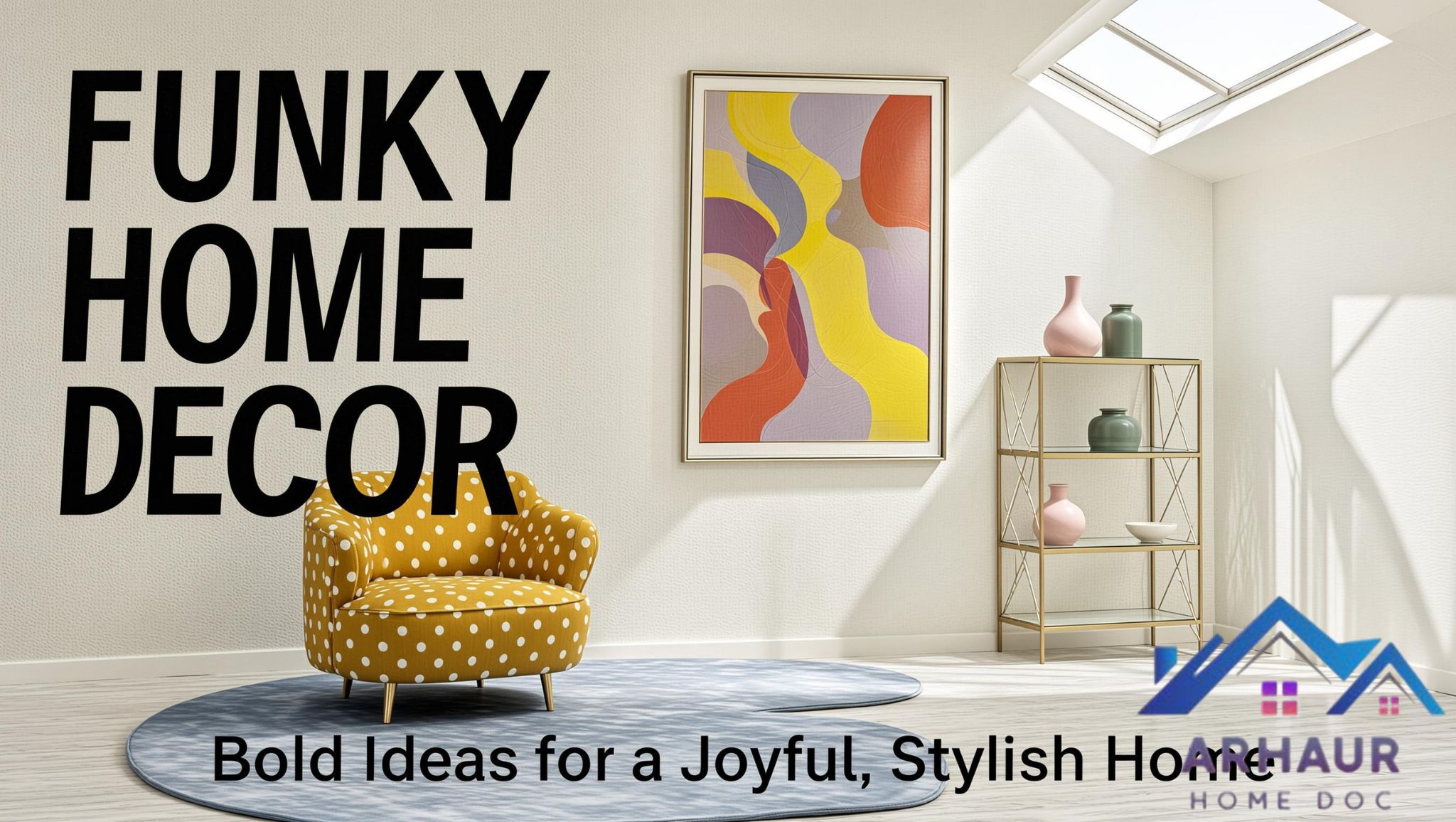
Funky Home Decor: Bold Ideas for a Joyful, Stylish Home
A home should do more than look tidy. It should make you feel something the moment you walk through the door. Funky home decor gives you permission to step away from predictable beige rooms and create a space filled with color, humor, nostalgia, creativity, and unmistakable personality.
That does not mean filling every surface with random objects or choosing the loudest item in every shop. The most memorable interiors still have rhythm, balance, and intention. Whether you love retro curves, pop-art prints, checkerboard patterns, sculptural lamps, or unexpected color combinations, the goal is to make your home feel expressive without making it feel chaotic.
What Is Funky Home Decor?
Funky home decor is an expressive approach to interior design that combines unusual colors, playful shapes, surprising objects, and personal references. It often borrows from several styles at once, including retro, maximalist, eclectic, Memphis-inspired, pop art, mid-century modern, and contemporary design.
What makes it “funky” is not one specific color palette or furniture era. It is the sense of originality. A tomato-shaped lamp, a wavy mirror, a neon sign above an antique cabinet, or a traditional room with a bright striped ceiling can all fit the style. The common thread is that the room feels confident, creative, and slightly unexpected.
The best funky rooms also tell a story. They might include a chair inherited from a grandparent, artwork bought while travelling, a handmade vase, a record collection, or a framed menu from a favourite restaurant. These details prevent the space from looking like a showroom because they connect the design to real memories and interests.
It is also a flexible style. You can take it in a polished direction with designer lighting and sculptural furniture, or keep it relaxed with flea-market finds, painted second-hand pieces, and handmade art. You do not need a large budget or a huge house. A single corner can carry plenty of personality when the choices are thoughtful.
Infographic: “The Funky Room Formula” showing five elements—one anchor color, one statement shape, one playful pattern, mixed textures, and personal objects. Alt text: Infographic explaining five elements of a balanced funky interior.
Why Playful Interiors Feel So Personal
Many homes are decorated around what feels safe: neutral walls, matching furniture, and accessories chosen mainly because they coordinate. There is nothing wrong with that, but overly cautious rooms can feel disconnected from the people living in them.
Playful interiors reveal preferences. A bright orange chair suggests confidence, a wall of gig posters shows musical taste, and a shelf of unusual ceramics communicates humor and curiosity. Even small choices help a room tell a story.
Shape and texture matter as much as color. Rounded furniture can feel welcoming, high-contrast patterns add movement, and tactile materials make a room feel richer. That is why funky home decor can make everyday routines more enjoyable: it surrounds you with objects that bring genuine pleasure.
How to Plan Funky Home Decor Without Creating Clutter
A strong room starts with a simple plan. Before buying anything, choose two or three words that describe how you want the space to feel, such as “cheerful, artistic, relaxed” or “dramatic, retro, polished.” Those words become a filter for every color, pattern, and object you consider.
Next, identify what must stay. Flooring, large furniture, kitchen cabinets, and permanent fixtures should become part of the design rather than obstacles. A plain grey sofa, for example, can act as a calm base for a bright rug, abstract cushions, and colorful wall art.
Choose a Clear Color Story
Bold rooms do not require every color at once. Start with one main color, one supporting shade, and one accent. Repeat them through artwork, textiles, lamps, and accessories so unusual pieces feel connected.
You might pair deep green with dusty pink and cobalt blue, or use cream with tomato red and lemon yellow. If you are nervous about commitment, keep the largest surfaces calmer and introduce stronger shades through items that are easy to change.
Repeat Shapes to Create Visual Rhythm
Repetition makes eclectic decor feel intentional. A wavy mirror can relate to a curved chair, scalloped cushion, or rounded vase. Geometric forms can reappear in shelving, frames, and fabric patterns.
The pieces do not need to match. They only need a shared visual language that helps the eye move smoothly around the room.
Balance Statement Pieces With Quiet Space
Every bold item needs room to be noticed. A sculptural chair has more impact beside a simple table than in a corner crowded with competing objects.
Quiet space can be a plain wall, a solid curtain, an uncluttered surface, or clear floor around a patterned rug. These pauses make playful details look stronger rather than accidental. You may read this: Top Home Decor Influencers to Follow for Interior Ideas.
The Essential Elements of a Funky Interior
You do not need every element below. Combining three or four is usually enough to give a room character without making it feel themed.
Statement Lighting
Lighting is one of the fastest ways to add personality. Mushroom lamps, colored glass, globe pendants, pleated shades, oversized floor lamps, and abstract bases work as decorative objects even when switched off.
Use warm bulbs for a welcoming atmosphere. Very cool light can flatten rich colors and make playful rooms feel less comfortable.
Unusual Mirrors
Wavy frames, asymmetrical shapes, tinted glass, and oversized circles turn practical mirrors into wall sculpture. In small rooms, they also reflect light and make the space feel more open.
Position a mirror where it reflects artwork, a colorful wall, or a window so the view becomes part of the design.
Bold Rugs
A rug can establish the entire mood. Checkerboard patterns, abstract swirls, irregular edges, florals, and stripes all suit funky home decor.
Balance matters. Pair a busy rug with simpler furniture, or use a calmer rug when the seating is already colorful and sculptural. Choose a size large enough to connect the main furniture rather than floating alone in the centre.
Sculptural Furniture
Curved sofas, chunky chairs, pedestal tables, and zigzag shelves can function like usable art. One unusual silhouette is often more effective than a complete matching set.
Mix the statement piece with straightforward furniture so it has a clear role as the focal point.
Playful Wall Art and Objects
Combine graphic prints, photography, handmade work, vintage posters, textile art, and mirrors. Arrange a gallery wall on the floor first, beginning with the largest piece and keeping the spacing reasonably consistent.
Add humor through one or two small objects, such as a food-shaped candle, a face vase, or unusual bookends. A small surprise feels charming; too many novelty items can make the room look like a theme shop.
Funky Home Decor Ideas for Every Room
The same style can work throughout the home, but each room benefits from a slightly different level of color, pattern, and visual energy.
Living Room
The living room offers the most freedom because it naturally contains several layers. Begin with one statement piece, such as a bright sofa, patterned rug, or oversized artwork, then repeat one of its colors in smaller details.
Avoid buying a full matching furniture set. A modern sofa, vintage chair, glossy side table, and wooden coffee table can feel collected and personal when their scale or colors connect.
Bedroom
A bedroom should remain restful. Concentrate the strongest pattern behind the bed through wallpaper, a painted arch, an upholstered headboard, or a large textile.
Keep bedding relatively simple and add character through lamps, mirrors, cushions, and bedside tables. Muted terracotta, sage, dusty lilac, or soft mustard can create a playful mood without feeling overstimulating.
Kitchen
Colorful stools, framed food art, patterned towels, open shelves, and unusual cabinet handles can transform a kitchen without renovation. For a larger change, paint an island, pantry door, or lower cabinets.
Let attractive everyday objects join the display. Mugs, cookbooks, glassware, and fruit bowls add life while remaining useful. Keep counters mostly clear so the room feels energetic rather than messy.
Dining Area
Use a sculptural pendant as the main focal point, then introduce mismatched chairs connected by color, material, or height. A tablecloth or runner is an easy way to test a bold pattern without a permanent commitment.
Candles in varied heights, an unusual serving bowl, or playful salt and pepper shakers can make ordinary meals feel more special.
Bathroom
Bathrooms are excellent places to experiment. Try a patterned shower curtain, bright mirror, graphic towels, painted vanity, colorful grout, or unusual hooks.
Choose materials that tolerate humidity. Keep delicate paper and untreated wood away from the shower, and properly seal framed art.
Home Office
A creative workspace should feel stimulating but functional. Keep the desk surface clear, then add energy through a bright chair, colored pegboard, sculptural task lamp, or a strong wall color.
Display a small selection of books, sketches, photographs, or project samples that genuinely encourage you. Use attractive boxes and containers to hide cables and loose supplies.
Entryway
The entryway sets the tone for the rest of the home. A bold mirror, painted console, patterned runner, or unusual hooks can make even a narrow area memorable.
Handle practical storage first with a key tray, shoe basket, and place for coats. Once everyday clutter has a home, the decorative choices can stand out.
How to Mix Patterns Like a Designer
Pattern mixing looks effortless when scale and color are controlled. Start with one large-scale pattern, such as wide stripes or oversized florals. Add a medium pattern, such as checkerboard or repeating curves, followed by a small pattern like dots or fine lines.
The patterns should share at least one color. A striped cushion and floral curtain can work together when both include the same red or green. This repeated color acts as a visual bridge.
Avoid placing several dense patterns directly beside one another. Break them up with solid colors, natural materials, or plain walls. Wood, metal, glass, and woven textures can calm strong graphics without making the room feel dull.
Patterns can also appear through shape rather than print. Fluted cabinets, tiled surfaces, ribbed glass, and scalloped edges add repetition while remaining quieter than printed fabric.
Using Texture to Add Depth
Color attracts attention, but texture makes a room feel rich and finished. Mix glossy ceramics with velvet, woven baskets, polished metal, fluffy rugs, matte walls, and natural wood.
Texture is especially useful in a limited palette. A neutral room can still feel playful through a shaggy rug, chrome lamp, lacquered table, and sculptural wall hanging. Plants add another layer through organic shapes and varied leaves.
Budget-Friendly Ways to Create the Look
One of the strengths of funky home decor is that it suits second-hand shopping, where older furniture often has stronger shapes and more distinctive details. Check flea markets, charity shops, online marketplaces, estate sales, and local auctions.
Look beyond the current finish. A plain stool can be painted, a tired lampshade recovered, and a simple cabinet updated with new handles or contrasting shelves.
Paint Small Areas for Big Impact
Try the back of a bookcase, the inside of a doorway, a ceiling border, or a painted shape behind a desk. Small sample pots may be enough, especially when the color already appears elsewhere in the room.
Make Your Own Artwork
Paint simple stripes or abstract shapes on heavy paper, frame fabric remnants, enlarge a favorite photograph, or make a collage. Handmade work does not need to be perfect; its personal character is often what makes it effective.
Update Small Details
Cabinet knobs, drawer pulls, cushions, curtains, and lampshades can introduce color and pattern without major expense. Repeat two or three accents so the changes feel deliberate rather than random.
Renter-Friendly Ideas With Plenty of Personality
Renting does not mean living in a blank box. Removable wallpaper, peel-and-stick tiles, tension rods, freestanding shelves, fabric panels, and damage-conscious hanging systems can add character without permanent work.
Use furniture as color: a bright chair, patterned rug, painted table, and bold floor lamp can transform white walls. Large artwork may also be leaned safely rather than hung.
Always check the tenancy agreement before painting or attaching heavy items, and store original fixtures so they can be restored when you move.
Common Mistakes to Avoid
The first mistake is buying too many statement pieces before deciding where they will go. A room can quickly become noisy when every object demands attention. Choose one or two focal points, then support them with quieter pieces.
The second is ignoring scale. Tiny art above a large sofa, a small rug floating in the centre of the floor, or an oversized lamp squeezed into a narrow corner can make the room feel awkward. Measure before buying and use painter’s tape to mark dimensions on the wall or floor.
Another common issue is copying a trend without considering your daily life. A beautiful open shelf may become frustrating if you dislike dusting. A pale sculptural sofa may not suit a home with pets or young children. Good design should work with your routines, not against them.
Finally, avoid decorating the whole home in a single weekend. Rooms develop more naturally when you live with them, notice what is missing, and add pieces over time. Patience usually produces a more personal result.
How to Shop for Pieces You Will Still Love Later
Before buying, ask three questions: Do I genuinely like it? Does it work with something I own? Do I know where it will go? A yes to all three is a good sign.
Spend more on pieces that carry daily wear, such as seating, tables, rugs, and lighting. Decorative accessories can be more affordable because they are easier to rotate.
Keep room measurements and photographs on your phone while shopping. Most importantly, do not buy something merely because it looks quirky. The strongest funky home decor combines surprise with usefulness, beauty, or emotional meaning.
A Simple Styling Formula for Shelves and Surfaces
Start with the largest item, such as a framed print or tall vase. Add a medium object, then place a smaller piece slightly in front to create depth.
Mix practical and decorative items. Books can raise a lamp or ceramic, trays can group small objects, and boxes can hide supplies while adding color.
Leave open space around each group. A shelf does not need to be completely filled, and rotating pieces between rooms can refresh the display without new purchases.
Frequently Asked Questions
Is this style the same as maximalism?
Not exactly. Maximalism often relies on many layers, colors, patterns, and collections. A funky room can be maximalist, but it can also be simple, with only a bright chair, unusual lamp, and bold artwork.
Can I use this style in a small apartment?
Yes. Choose a few high-impact pieces instead of many small accessories. A bold rug, large mirror, colorful chair, or oversized print can create personality while organized storage keeps the room open.
What colors work best?
There is no required palette. Cobalt with orange, pink with green, red with pale blue, and yellow with lilac are lively options. Choose shades you enjoy and repeat them around the room.
How can bold decor look sophisticated?
Use well-made materials, repeat colors and shapes, and leave breathing room around statement pieces. Natural wood, linen, metal, glass, or stone can balance playful objects.
Can neutral colors still work?
Absolutely. Cream, tan, grey, brown, black, and white make useful foundations. Strong shapes, textures, artwork, and lighting can create an expressive room without intense wall color.
Where should I start in a plain home?
Begin with one area you see often, such as the wall above the sofa or the entryway. Add one strong item, then build slowly around it.
How many patterns can I mix?
Three is a manageable starting point: one large pattern, one medium pattern, and one small pattern. Connect them with at least one shared color and separate them with solid surfaces.
Does every room need the same palette?
No. Repeat one or two colors, materials, or shapes throughout the home for continuity, while allowing each room to have its own mood.
Conclusion
A playful home is not created by following a perfect formula. It grows from paying attention to what makes you smile, what stories you want your rooms to tell, and how you actually use the space.
Start with one confident choice, give it room to breathe, and add layers gradually. When color, shape, pattern, texture, and personal meaning work together, funky home decor feels less like a trend and more like an honest reflection of the people who live there.