
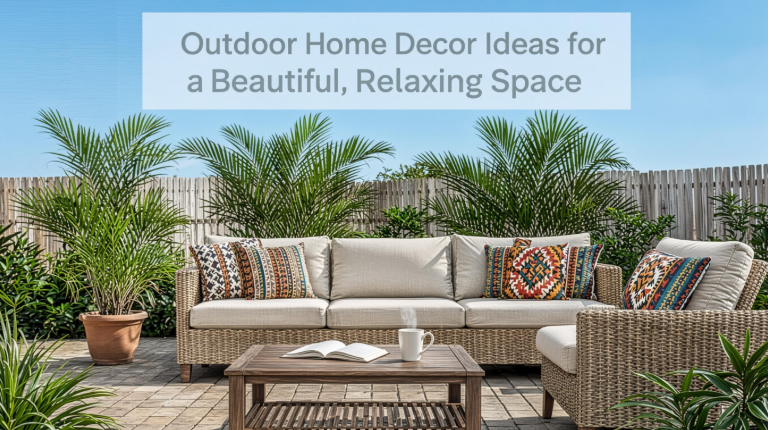
Outdoor Home Decor Ideas for a Beautiful, Relaxing Space
The most memorable outdoor spaces are rarely the biggest or the most expensive. They are the ones that make you pause, sit down, and feel instantly at home. Thoughtful outdoor home decor can turn an unused patio, narrow balcony, plain porch, or quiet garden corner into a welcoming extension of your living space.
This matters because the area outside your door affects more than curb appeal. It can become a place for morning coffee, family meals, evening conversations, reading, entertaining, or simply getting a few calm minutes away from a busy day. A comfortable outdoor area also helps you use more of the space you already have.
You do not need a complete renovation to make a visible difference. A better layout, a few durable textiles, purposeful lighting, and well-placed greenery can change the way an outdoor area looks and feels. The key is choosing elements that suit the size of the space, your local weather, and the way you actually plan to use it.
This guide walks through the decisions that matter most, from furniture and color to lighting, plants, walls, seasonal updates, and budget-friendly improvements. The goal is not to copy a showroom. It is to create an outdoor setting that feels personal, practical, and easy to maintain.
Start With a Practical Outdoor Home Decor Plan
Before buying cushions, lanterns, or planters, decide what the space needs to do. A beautiful area that does not support your daily habits will quickly become cluttered or ignored. Begin by standing in the space at different times of day. Notice where the sun falls, where wind enters, which areas collect water, what can be seen from inside, and how people naturally move through the area.
Next, choose one primary purpose. A patio designed mainly for dining needs a stable table, comfortable chairs, and clear circulation. A reading corner needs shade, supportive seating, and a place to set a drink. A family gathering area benefits from flexible chairs, washable fabrics, and open floor space. Once the main use is clear, decorative choices become easier and more consistent.
Measure Before You Shop
Accurate measurements protect you from one of the most common decorating mistakes: buying pieces that overwhelm the area. Record the width and length of the usable floor, the position of doors and steps, and the clearance needed for walkways. Leave enough room to pull out dining chairs and move around furniture without turning sideways.
Use painter’s tape or newspaper to mark the footprint of larger pieces before ordering them. This simple test reveals whether a sofa, table, bench, or planter will fit comfortably. It also shows how the item will affect movement and sightlines from nearby rooms.
Create Zones in Larger Spaces
A zone is a defined area with a specific purpose, such as dining, lounging, cooking, or gardening. Larger patios and yards often feel unfinished because furniture is spread randomly rather than grouped by activity. Create visual boundaries with an outdoor rug, a row of planters, a change in flooring, or furniture arranged around a shared focal point.
Keep related items together. Place a side table within reach of lounge chairs, locate serving surfaces near the dining table, and keep garden tools close to the planting area. Good zoning makes an outdoor setting feel organized without requiring walls.
Choose a Style That Connects With Your Home
Outdoor areas feel more natural when they share a color, material, shape, or design detail with the rooms inside. Modern interiors may continue outdoors through clean-lined furniture and simple planters, while traditional homes often suit classic lanterns, curved metalwork, or symmetrical arrangements.
Choose one style as the foundation for your outdoor home decor, then add a smaller number of contrasting accents. Coastal, farmhouse, minimalist, Mediterranean, tropical, cottage, and bohemian influences can all work, but combining too many at once usually creates visual confusion.
Build a Simple Color Palette
A reliable outdoor palette usually includes three layers: a base color, a supporting color, and one or two accents. The base often comes from permanent surfaces such as brick, stone, wood, concrete, or exterior paint. Supporting colors can appear in furniture and rugs, while brighter accents work well on cushions, pots, tableware, and flowers.
Nature is already visually detailed, so a restrained palette often looks more polished than a crowded one. Warm neutrals pair well with terracotta, olive, rust, or mustard. Cool grays and charcoal work with blue, white, sage, or soft lavender. Dark green and black can make greenery appear richer and more intentional. You may read this: How to Improve Home Security With Better Locks: A Guide.
Select Furniture for Comfort and Durability
Furniture is usually the largest investment in outdoor home decor, so it should be chosen for use first and appearance second. A chair may look elegant online but feel uncomfortable after ten minutes. When possible, test the seat depth, back angle, cushion support, and table height. Think about who will use it, how often it will be moved, and where it will be stored during severe weather.
Outdoor materials have different strengths. Powder-coated aluminum is lightweight and rust resistant. Teak is durable and can age to a silver-gray finish. Coated steel is strong, synthetic wicker provides a softer look, and recycled plastic is easy to clean. Choose according to climate, weight, care needs, and storage options.
Choose the Right Scale
Small areas benefit from furniture with open legs, narrow arms, and a visually light profile. Folding chairs, nesting tables, storage benches, and stackable stools provide flexibility without filling every inch. In a large yard, undersized furniture can look lost, so use substantial pieces and group them closely enough for conversation.
Avoid pushing every chair against a wall or railing. Pull seating inward when space allows, and position chairs so people can speak without raising their voices. A coffee table, fire feature, water bowl, or large planter can serve as the center of the arrangement.
Add Flexible Extra Seating
Not every seat needs to be a full-size chair. Exterior poufs, garden stools, benches, and sturdy storage boxes can accommodate guests and serve as tables or plant stands. Keep one or two lightweight pieces for multipurpose areas that shift between meals, play, and evening gatherings.
Layer Textiles for a More Comfortable Space
Textiles soften hard surfaces and make exterior areas feel finished. Outdoor rugs define zones, cushions improve comfort, and throws add warmth on cooler evenings. They also offer an affordable way to change color and pattern without replacing furniture.
Look for fabrics made for outdoor exposure. Solution-dyed acrylic, olefin, and polyester designed for exterior use generally resist fading and moisture better than indoor fabrics. Even weather-resistant textiles last longer when they can dry quickly and are protected during heavy rain or long periods of nonuse.
Use Pattern With Restraint
Patterns look intentional when they share at least one color and vary in scale. Pair a broad stripe with a small geometric motif and a solid cushion. Use quieter textiles around colorful flower beds, while a neutral courtyard can handle stronger pattern.
Do Not Forget Shade
Shade is both a comfort feature and a design element. Umbrellas, pergolas, awnings, shade sails, and outdoor curtains can extend the hours you use the area. Position shade according to the sun, secure fabric in windy conditions, and keep it away from grills, heaters, candles, and open flames.
Use Lighting to Shape the Evening Mood
Good outdoor lighting should help people move safely, highlight attractive features, and create a comfortable atmosphere. Relying on a single bright wall light often produces glare and deep shadows. A layered approach feels more inviting and usually provides better visibility.
Use task lighting near grills, outdoor kitchens, steps, and dining surfaces. Add low-level ambient light with lanterns, wall sconces, or well-positioned string lights. Accent lighting can draw attention to a tree, textured wall, sculpture, fountain, or architectural feature.
Choose Warm, Controlled Illumination
Warm white light generally feels more relaxed in seating and dining areas than cool, blue-toned light. Brightness matters as much as color. Select fixtures with shields or diffusers that direct light where it is needed rather than into neighboring properties or the night sky.
Solar lights are useful where wiring is difficult, but their performance depends on direct sun and battery quality. Use them for gentle accents or path markers rather than expecting every model to provide strong task lighting. For permanent installations, exterior-rated fixtures and professionally installed wiring are safer and more reliable.
Bring in Plants and Natural Materials
Plants are one of the most effective ways to make outdoor home decor feel connected to its surroundings. They add movement, texture, seasonal color, and privacy. Even a concrete balcony can feel softer with a few well-chosen containers.
Start with plants suited to the light and climate rather than selecting only by appearance. Observe how many hours of direct sun the area receives, then choose varieties that can tolerate those conditions. Group plants with similar watering needs to simplify care.
Build Container Arrangements With Layers
A balanced container often includes height, fullness, and a trailing element. A small tree, upright grass, or architectural plant can provide height. Rounded foliage or flowers fill the middle, while trailing plants soften the edge of the pot. This approach works in one large container or across a coordinated group.
Vary pot heights but repeat a limited range of colors or materials. Too many unrelated containers can make a small space look crowded. Terracotta feels warm and classic, glazed ceramic adds color, fiberglass is lightweight, and concrete creates a strong modern presence.
Decorate With Wood, Stone, and Woven Texture
Natural materials create warmth and age gracefully when properly selected. Wood benches, stone bowls, rattan-style baskets, jute-look outdoor rugs, and woven lanterns can make a space feel less formal. Check that every item is rated for exterior conditions or can be moved under cover when the weather changes.
Often, a timber tray, stone sculpture, or woven basket adds enough natural texture without creating extra maintenance.
Make Walls, Fences, and Railings Part of the Design
Vertical surfaces are valuable decorating space, particularly on balconies, porches, and compact patios. A blank wall can hold exterior artwork, a mirror designed for outdoor use, a trellis, wall planters, or a decorative panel. A fence can support climbing plants, mounted lighting, or a carefully spaced collection of pots.
Choose a focal point rather than covering every surface. One large feature usually looks more confident than many small objects scattered across a wall. Make sure heavy pieces are fixed with hardware appropriate for the wall material and local weather.
Use Mirrors Carefully
An outdoor mirror can reflect greenery and make an enclosed area appear larger. Position it where it reflects an attractive view rather than storage, utility equipment, or harsh sunlight. Avoid locations where concentrated reflection could cause excessive heat or glare.
Select a product intended for exterior use, seal vulnerable edges where appropriate, and mount it securely. In areas with severe storms or freezing conditions, seasonal storage may extend its life.
Add Privacy Without Closing the Space
Privacy screens can be decorative as well as functional. Slatted wood panels, lattice, tall planters, outdoor curtains, bamboo-style screens, and climbing plants all provide varying levels of separation. Before installation, check property rules, building regulations, and airflow needs.
A partial screen often feels more comfortable than a completely solid barrier. It can block direct views while allowing light and breezes to pass through.
Outdoor Home Decor for Small Patios and Balconies
Limited square footage rewards careful choices. Begin with one comfortable activity rather than trying to fit a dining room, lounge, garden, and storage area into the same corner. A small café table for two may be more useful than a bulky sofa, while one deep chair and a side table may create a better reading spot than several cramped seats.
Use vertical space for herbs, flowers, lighting, and storage. Rail planters, wall-mounted shelves, tall narrow plant stands, and hanging baskets free the floor. Foldable furniture can be stored when not in use, and a bench with hidden storage can hold cushions, tools, or serving items.
Keep the Floor Visually Open
Furniture with slim legs allows more flooring to remain visible, which can make an area feel larger. Use one appropriately sized rug rather than several tiny mats. Choose a few medium or large planters instead of covering the floor with many small pots.
Reflective or light-colored surfaces can brighten a shaded balcony, but they should still coordinate with the building exterior. In windy high-rise settings, secure lightweight items and avoid unstable umbrellas, loose decor, or hanging pieces that could become hazards.
Choose Weather-Resistant Materials
Weather resistance does not mean maintenance-free. Sun, moisture, wind, salt air, dust, frost, and temperature changes affect materials differently. Durable outdoor home decor should match the local climate and the area’s level of exposure.
Look for exterior-rated finishes, rust-resistant hardware, UV-resistant fabrics, drainage holes, and construction that releases water. Furniture covers should fit well while allowing ventilation so moisture is not trapped underneath.
Create a Simple Care Routine
Regular care prevents difficult restoration later. Sweep surfaces, remove leaves, wipe spills, clear planter drainage, and dry textiles fully before storage. At the start and end of the main season, inspect joints, coatings, lights, umbrellas, and mounting hardware; repair damage before severe weather arrives.
Decorate Beautifully on a Realistic Budget
A strong outdoor home decor scheme does not require buying everything at once. Spend first on the pieces that affect comfort, safety, and daily use. A durable table, supportive chair, reliable shade, or safe lighting usually provides more value than a collection of small decorative objects.
Create a phased plan. Begin with layout and seating, then add lighting and greenery, followed by textiles and smaller accents. Living with the space between stages helps you see what is actually missing and reduces impulse purchases.
Refresh What You Already Own
Clean furniture thoroughly before deciding it needs replacement. A suitable exterior paint or protective finish can revive many metal or wood pieces. Replacing worn cushions, adding coordinated covers, or changing cabinet hardware may be enough to create a fresh look.
Repurpose carefully. Indoor items should not be left outside unless their materials and finishes can tolerate the conditions. A decorative object that quickly rusts, warps, fades, or traps water is not a bargain. Choose fewer pieces that can survive the environment.
Use High-Impact, Low-Cost Changes
Several affordable updates can noticeably improve an outdoor area:
- Rearrange furniture to create a clearer conversation zone.
- Add one large planter near an entrance or seating group.
- Replace mismatched cushions with a coordinated set of covers.
- Hang warm string lights in a deliberate pattern.
- Paint a suitable exterior wall, door, bench, or planter.
- Use an outdoor rug to define the main activity area.
- Repeat one accent color in three separate places.
- Remove broken, faded, or unnecessary objects.
The last point is easy to overlook. Editing often has more impact than adding. A cleaner arrangement allows the best furniture, plants, and architectural features to stand out.
Update the Space With the Seasons
Seasonal decorating works best when the foundation remains consistent. Keep major furniture versatile, then update cushion covers, table accessories, plants, wreaths, or lanterns. Spring suits fresh greenery, summer calls for shade, autumn welcomes warm texture, and winter works well with evergreens and weather-safe lights.
Avoid Disposable Seasonal Clutter
Choose seasonal items that can be reused in different combinations. A neutral lantern can hold flowers in spring, a candle in autumn, and greenery in winter. Store off-season pieces in labeled, moisture-resistant containers and discard damaged decor instead of letting it accumulate.
Common Decorating Mistakes to Avoid
A frequent mistake is buying decorations before solving drainage, shade, privacy, storage, or seating comfort. Too many small items also create visual noise and extra cleaning. Other problems include blocked walkways, unsuitable plants, indoor-only materials, and lighting that is far too bright.
Balance Beauty With Maintenance
Every decorative choice creates some level of care. More cushions mean more fabric to protect, more containers mean more watering, and more accessories mean more surfaces to clean. Be realistic about the time you want to spend maintaining the area.
The most successful spaces are not the ones with the most objects. They are the ones where every item supports comfort, function, or a clear visual idea.
Frequently Asked Questions
What is the easiest way to improve an outdoor area quickly?
Start by cleaning the space, removing unused items, and rearranging the furniture around one purpose. Then add a coordinated group of cushions, one healthy plant, and warm lighting. These changes affect comfort and atmosphere without requiring construction.
How can I make outdoor home decor look expensive?
Use fewer, larger pieces; repeat materials and colors; conceal clutter; and keep furniture clean and well maintained. Symmetry near an entrance, properly sized rugs, substantial planters, and layered lighting can create a polished appearance even on a moderate budget.
What colors work best outside?
Colors that relate to the home exterior and surrounding landscape usually work best. Neutrals create a flexible base, while greens, blues, terracotta, rust, yellow, and muted reds can provide accents. Test fabric and paint samples outdoors because natural light can change their appearance.
How do I decorate a patio without making it feel crowded?
Choose one main activity, measure the usable area, and leave clear walkways. Use furniture with a lighter profile, limit the number of planters, and keep accessories grouped rather than scattered. Vertical decor can add interest without using floor space.
Can indoor decorations be used outside?
Only when the material, finish, and construction can tolerate outdoor conditions. Many indoor products fade, swell, rust, or become unsafe when exposed to moisture and sun. Keep unsuitable items in a protected area or bring them inside after use.
How should I protect outdoor cushions?
Select exterior-rated fabric, allow cushions to dry completely, brush away dirt, and follow the cleaning instructions. Store them in a dry, ventilated box or indoor area during severe weather and long periods of nonuse. Avoid sealing damp cushions in airtight containers.
What type of lighting is best for a patio?
Use a combination of task, ambient, and accent lighting. Steps and cooking areas need clear illumination, while seating areas benefit from warm, lower-level light. All fixtures, plugs, and extension products should be rated for the intended outdoor location.
How many decorative accessories should I use?
There is no fixed number, but each item should contribute to the function, comfort, or visual story of the space. Group accessories in small collections and leave open areas for balance. When the setting becomes difficult to clean or move through, remove pieces.
Conclusion
A comfortable outdoor area is built through thoughtful choices rather than a single shopping trip. Start with the way you want to use the space, choose furniture that fits, and create a simple palette that connects with your home. Then layer in lighting, plants, textiles, and a limited number of meaningful accents.
The best outdoor home decor reflects real life. It welcomes people, handles the weather, and remains manageable through changing seasons. When beauty and practicality work together, even a modest porch or balcony can become one of the most enjoyable parts of the home.