
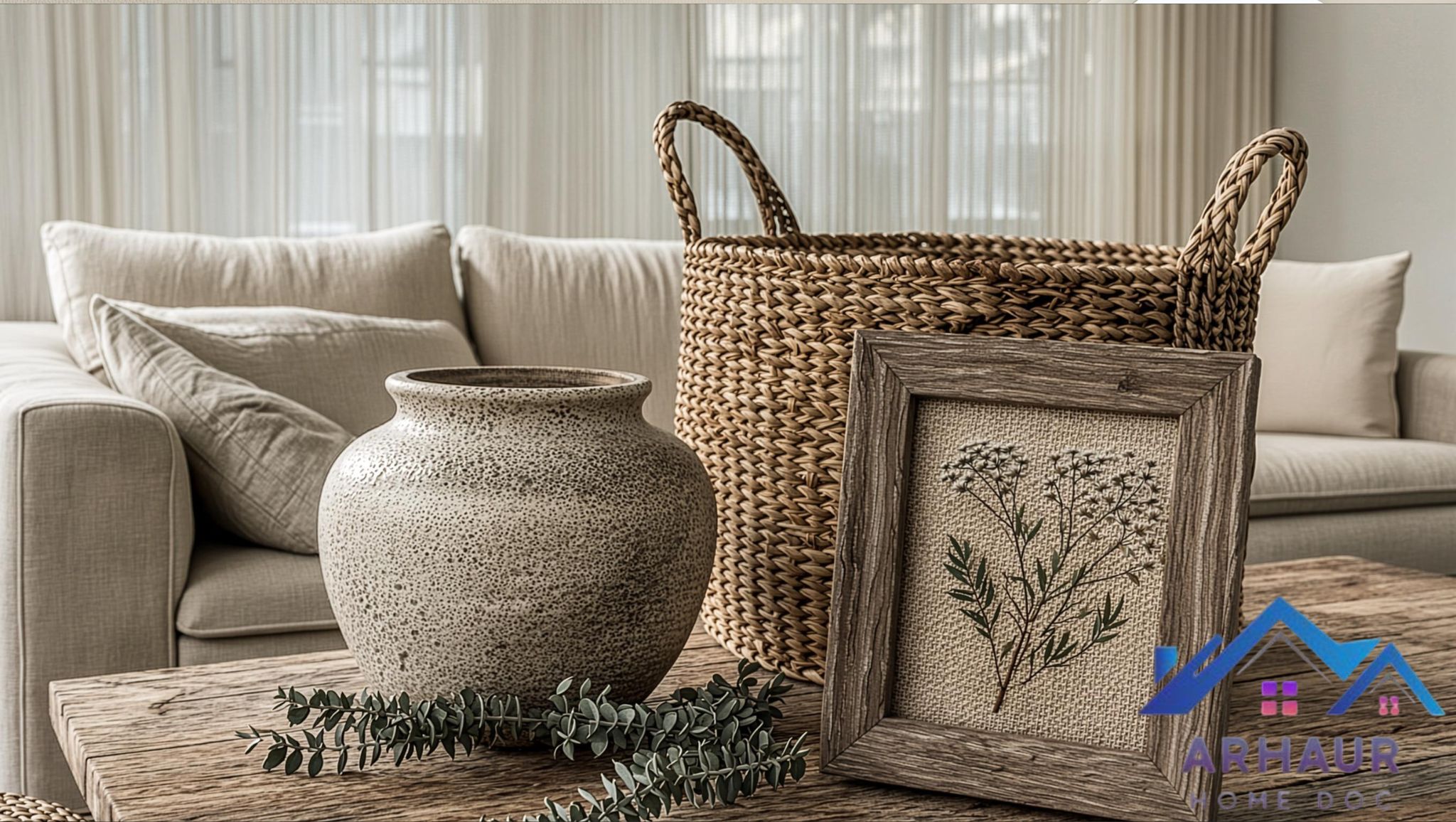
Handmade Home Decor Ideas for a Beautiful Personal Home
A room can be perfectly coordinated and still feel as though nobody truly lives there. Handmade home decor changes that by introducing texture, personality, memory, and the small imperfections that make a space feel warm rather than manufactured.
You do not need professional craft skills or an expensive studio to bring handmade character into your home. A painted frame, woven wall hanging, hand-thrown bowl, repaired vintage table, or simple arrangement of pressed flowers can add more meaning than a shelf full of generic accessories.
What Counts as Handmade Decor?
Handmade decor includes decorative or functional objects created, assembled, painted, stitched, carved, molded, woven, printed, or restored by hand. Some pieces are made entirely by an artisan, while others begin as ordinary household objects and are personalized through paint, fabric, hardware, or creative reuse.
The category is broader than traditional crafts. It includes ceramics, textiles, candles, baskets, furniture, artwork, paper decorations, woodwork, metalwork, plant holders, and upcycled storage. It can be highly polished or intentionally rustic, depending on the maker, material, and home in which it is displayed.
The value of handmade home decor does not depend on every piece being technically perfect. Small variations in color, shape, stitching, or glaze often reveal the process behind the object. Those details create a visible connection between the finished piece and the person who made it.
There is also a difference between handmade and merely handmade-looking. Factory-produced items may imitate irregular surfaces, brush marks, or woven textures. They can still be attractive, but an authentically handcrafted object usually carries information about its materials, maker, technique, and place of origin.
Infographic: “The Handmade Decorating Formula” showing five elements—useful objects, natural materials, varied textures, personal stories, and open space. Alt text: Infographic explaining five elements of a balanced handcrafted interior.
Why Handmade Home Decor Feels More Personal
Mass-produced furniture and accessories make decorating convenient, but they can create rooms that look similar to thousands of others. Handcrafted pieces interrupt that uniformity. Even one unusual bowl, embroidered cushion, or carved tray can introduce a detail that is difficult to duplicate exactly.
These objects often carry stories. A quilt may have been sewn by a relative, a vase bought from a local potter, or a frame painted during a weekend project. The object becomes more than decoration because it records a person, place, skill, or moment in time.
Handmade pieces can also help a room evolve naturally. Instead of furnishing an entire space in one shopping trip, you can add objects slowly as you discover makers, learn new skills, travel, or identify what the room genuinely needs. The result feels collected rather than staged.
That sense of gradual development is important. Homes usually feel most convincing when they contain items from different periods and sources. A new handwoven rug can sit beside an inherited chair, contemporary art, and a simple store-bought sofa without requiring everything to match.
Choosing a Handmade Style That Suits Your Home
Handcrafted objects can work with almost any interior style. The key is selecting materials, colors, and techniques that complement the room instead of treating handmade as a single visual category.
A modern interior may suit simple ceramics, graphic block prints, sculptural candles, and clean-lined woodwork. A traditional home may feel more natural with embroidered textiles, painted furniture, woven baskets, and botanical artwork. Rustic rooms can support rougher finishes, while polished interiors may benefit from refined glass, metal, or porcelain pieces.
Begin With Your Existing Materials
Look at the surfaces already present in the room. Wood flooring, upholstered furniture, metal fixtures, stone counters, wall colors, and window treatments provide clues about what will fit comfortably.
A space with pale oak and cream linen might welcome natural clay, wool, and woven grass. A darker room with walnut furniture could support brass, jewel-toned textiles, glazed pottery, and stronger artwork.
You do not have to match every finish. Contrast often makes handcrafted pieces more visible. A rough ceramic vase looks particularly expressive on a smooth stone counter, while a stitched textile can soften a sharply modern wall.
Select a Limited Color Palette
Craft projects can quickly become visually busy because materials, patterns, and techniques vary. A restrained palette helps unrelated pieces feel connected.
Choose two or three recurring colors from the room and repeat them in artwork, fabric, pottery, and small accessories. Neutral materials such as wood, terracotta, linen, jute, and unbleached cotton can act as visual bridges between brighter objects.
Mix Techniques Without Creating Clutter
A room becomes more interesting when it includes several forms of craftsmanship. You might combine a woven basket, ceramic lamp, painted artwork, and embroidered cushion.
Avoid placing many detailed pieces directly beside one another. Give highly patterned or sculptural objects enough space to be appreciated. A simple shelf arrangement often looks stronger than a crowded display of every handmade item you own.
Easy Projects for Beginners
The best first project is one that can be completed with basic tools, affordable materials, and a clear purpose. Starting small reduces pressure and gives you a chance to learn how color, texture, and scale work in your home. Here you will know about: Transitional Home Decor.
Painted Plant Pots
Plain terracotta pots are inexpensive and easy to personalize. Clean and dry the surface before painting, then use geometric shapes, stripes, botanical forms, or loose brush marks.
Choose a finish appropriate for the pot’s location and follow the paint manufacturer’s guidance. Keep drainage holes clear and protect indoor furniture from moisture with a suitable saucer.
A group of three pots usually looks more intentional when their patterns differ but their colors connect. For example, one may have wide cream stripes, another small black dots, and the third a simple green arch.
Fabric-Covered Frames
Old or inexpensive frames can be updated with fabric remnants. Remove the backing and glass, then wrap the frame carefully, securing the material on the reverse.
Small prints work well on narrow frames, while textured linen or velvet suits wider profiles. The fabric can coordinate with curtains, cushions, or upholstery elsewhere in the room.
Pressed Botanical Art
Pressed leaves and flowers create delicate artwork with a strong connection to the season and local landscape. Collect responsibly, avoiding protected plants and private property.
Place dry specimens between absorbent sheets inside a heavy book or flower press. Once fully dried, arrange them on archival paper and frame them behind glass. Keep finished work away from strong direct sunlight to reduce fading.
Hand-Painted Trays
A plain wooden tray can be sanded, painted, and sealed to become a useful decorative object. Use it to organize candles, perfume, coffee supplies, or items on a bar cart.
Measure the tray before designing the pattern. Painter’s tape can help create clean stripes or blocks, while freehand motifs produce a more relaxed finish.
No-Sew Cushion Covers
Fabric adhesive, iron-on bonding tape, or simple envelope-fold techniques can produce cushion covers without advanced sewing. Select durable fabric that suits the intended use and follow the product instructions carefully.
Removable covers are easier to clean and store than permanently wrapped cushions. Test washable materials before combining them, as different fabrics may shrink or release dye.
Working With Natural Materials
Natural materials add warmth because their colors and surfaces contain subtle variation. Wood grain, woven fibers, clay, stone, shells, and dried plants all bring an organic quality that manufactured plastic cannot easily reproduce.
Use collected materials responsibly. Fallen branches may be suitable for decorative projects when local rules permit, but living plants, nests, protected shells, and wildlife habitats should remain undisturbed.
Simple Wood Projects
Small wood projects may include candle blocks, shelves, picture ledges, trays, bead garlands, or wall hooks. Beginners should start with pre-cut timber and straightforward assembly.
Sand rough edges thoroughly and choose finishes appropriate for the object’s purpose. Items used near food, heat, water, or children require particular care and suitable products.
Wood species and finishes do not need to match exactly. Repeating warm or cool undertones is usually enough to create harmony. A medium oak frame, walnut bowl, and pale wooden stool can coexist when other elements connect them.
Clay and Air-Dry Projects
Air-dry clay can be used to make small dishes, ornaments, wall hangings, incense holders, and decorative beads. It is accessible for beginners because it does not require a kiln.
However, air-dry clay is not automatically waterproof or food-safe. Use finished objects for dry decorative purposes unless the product specifically states otherwise. Sealers may improve durability but do not necessarily make an item suitable for food or prolonged contact with water.
Woven and Fiber Details
Baskets, macramé, crochet, embroidery, and simple weaving introduce softness and movement. Fiber projects are especially useful in rooms dominated by hard surfaces.
Begin with small items such as coasters, plant hangers, napkin rings, or a narrow wall weaving. Larger projects take more time and require careful planning to prevent uneven tension or distorted shapes.
Handmade Wall Decor Ideas
Walls offer space for creativity without taking up valuable floor or work surfaces. They are particularly useful in small homes where decorative furniture and large accessories may create crowding.
Textile Wall Hangings
A textile hanging can soften sound and add warmth to a plain wall. Use woven fabric, embroidery, quilt fragments, macramé, or a beautiful piece of patterned cloth.
Make sure the hanging method can support the material’s weight. Heavy vintage textiles may require professional mounting to prevent stretching or damage.
Block-Printed Artwork
Simple block printing can create repeat patterns on paper or fabric. Carved rubber blocks are generally easier for beginners than traditional wood blocks.
Test the design several times before working on the final material. Small inconsistencies are part of the character, but planning the spacing will make the result feel deliberate.
Painted Canvases
Abstract art does not require realistic drawing skills. Begin with a limited palette and explore shapes, lines, layering, or repeated marks.
Create several small works rather than placing all expectations on one large canvas. A group of related pieces can fill a wall while giving you room to experiment.
Decorative Plates and Baskets
Hand-painted plates and woven baskets can become wall displays when mounted securely. Arrange the composition on the floor before making holes.
Start with the largest object, then add smaller forms around it. Keep the distance between items reasonably consistent so the display reads as one arrangement.
Photo and Memory Collages
Tickets, handwritten notes, photographs, postcards, fabric scraps, and small drawings can be arranged inside a deep frame or mounted as a collage.
Select items around a shared theme, location, person, or period. This prevents the composition from becoming a random collection and gives it emotional clarity.
Textile Projects That Add Warmth
Textiles are one of the easiest ways to introduce handmade home decor because they can be moved, washed, layered, and changed with the seasons. They also soften rooms with extensive wood, glass, tile, or metal.
Consider embroidered napkins, block-printed table runners, woven cushion covers, patchwork throws, fabric garlands, and simple curtains. You do not need to produce every textile from raw material; customizing an existing piece still creates something distinctive.
Embroidered Details
Basic stitches can add names, borders, leaves, stars, or geometric patterns to plain fabric. Practice on a spare piece before working on the final item.
Use washable thread and fabric for napkins, towels, and cushion covers. Mark designs lightly with an appropriate removable tool and check that all marks disappear as intended.
Patchwork From Fabric Scraps
Patchwork gives small remnants a useful purpose. Similar fabric weights are easier to sew together and usually wear more evenly.
Begin with a table mat, cushion front, or small wall hanging before attempting a full quilt. A limited color scheme can make even varied scraps feel cohesive.
Hand-Dyed Fabric
Natural and commercial dyes can transform plain napkins, curtains, or pillow covers. Results depend on fiber content, preparation, water, dye concentration, and temperature.
Wear suitable protection, follow safety directions, and keep dye equipment separate from food preparation when required. Always test a small sample because final colors can differ significantly from expectations.
Upcycled Decor With a Polished Finish
Upcycling involves adapting an existing object so it can be used again, often in a new way. It can reduce waste and produce pieces with more character than newly purchased alternatives.
The strongest upcycled projects begin with a useful, structurally sound object. Paint cannot repair unstable furniture, serious water damage, active woodworm, unsafe electrical components, or weakened joints.
Refreshing Old Furniture
A small table, stool, cabinet, or chair can often be improved through cleaning, repair, sanding, paint, stain, or new hardware.
Identify the original surface before applying products. Solid wood, veneer, laminate, and previously painted furniture require different preparation. When an item may have historical or financial value, consult a specialist before making permanent changes.
Turning Containers Into Storage
Glass jars, tins, wooden boxes, and sturdy packaging can become storage for craft supplies, desk items, bathroom essentials, or kitchen tools.
Remove labels and adhesive thoroughly, then use paint, paper, fabric, handles, or simple tags to create a consistent appearance. Containers used near food should remain suitable for that purpose and be cleaned appropriately.
Repurposing Fabric
Old curtains, tablecloths, clothing, and bedding can become cushion covers, bunting, patchwork, reusable wrapping, or framed textile art.
Inspect fabric for stains, weakness, fading, and fiber damage. Wash it before cutting, particularly when it has been stored for a long period.
How to Choose Handmade Home Decor From Artisans
Buying directly from makers gives you access to specialized skills and objects produced in smaller quantities. It can also provide more information about materials, methods, and the person behind the piece.
Before purchasing, read the full description and check dimensions carefully. Product photographs can make an object appear larger or smaller than it is. Compare measurements with the intended shelf, table, wall, or furniture arrangement.
Ask relevant questions about care, installation, customization, lead times, and returns. Handcrafted items may require more production time, and natural variation may mean the finished piece is not identical to the photograph.
Look for clear information about materials and process rather than relying only on vague claims such as “artisan-inspired.” A genuine maker should usually be able to describe how the item was produced.
Understand Why Prices Vary
The price of a handcrafted object may reflect design time, skilled labor, small-batch materials, equipment, studio costs, packaging, business fees, and the difficulty of the technique.
An inexpensive object is not automatically poor quality, and a high price does not guarantee suitability. Assess construction, finish, materials, usefulness, and how much value the piece will bring to your home.
Support Local and Traditional Skills Thoughtfully
Local markets, independent studios, exhibitions, cooperatives, and open workshops can be excellent places to discover craftspeople. Buying locally may also reduce shipping and allow you to see the object in person.
When purchasing work connected to a particular cultural tradition, learn about the maker and origin. Supporting authentic practitioners is more respectful than buying mass-produced copies that use traditional imagery without acknowledgment.
Styling Handmade Pieces in Every Room
A handcrafted object should not be isolated simply because it is special. It will usually look more natural when incorporated into the room’s practical arrangement.
Living Room
Use a handmade bowl on the coffee table, woven cushions on the sofa, artwork above a console, or a restored side table beside a modern chair.
Combine crafted objects with simpler furniture so the room does not feel overly rustic. The contrast between clean upholstery and textured accessories helps both stand out.
Kitchen and Dining Area
Ceramic serving dishes, woven placemats, embroidered napkins, wooden boards, and hand-painted containers add warmth to kitchens and dining rooms.
Keep decorative objects away from food preparation areas when they are difficult to clean. Display only the items that can tolerate the room’s heat, moisture, and regular use.
Bedroom
Bedrooms benefit from soft, tactile crafts such as quilts, knitted throws, fabric headboards, framed embroidery, and small ceramic lamps.
Limit the number of strong patterns to preserve a restful atmosphere. One detailed textile can become the focal point while surrounding bedding remains quieter.
Bathroom
Suitable handmade details may include sealed trays, washable baskets, framed artwork, ceramic soap dishes, and wall hooks.
Bathrooms experience humidity and splashes, so check that materials and finishes can tolerate those conditions. Untreated paper, delicate textiles, and unsealed wood may deteriorate quickly.
Entryway
An entryway can hold a carved key tray, woven basket, hand-painted mirror, or narrow wall hanging. These pieces create an immediate sense of personality.
Prioritize function because the area handles daily clutter. A decorative basket is most successful when it also provides a reliable place for scarves, shoes, or bags.
Balancing Handmade and Store-Bought Pieces
A welcoming home does not need to contain only handcrafted objects. Store-bought furniture often provides practical dimensions, predictable availability, and accessible pricing. Handmade details can then introduce individuality.
Use simple manufactured pieces as a quiet foundation. A plain sofa, standard shelving unit, or basic dining table can be personalized with crafted textiles, artwork, ceramics, and hardware.
This balance also protects the room from becoming visually overwhelming. When every surface has a highly detailed object, individual pieces compete for attention. Plain areas allow craftsmanship to be noticed.
Think in terms of proportion. One statement artwork, two or three smaller accessories, and a textured textile may be enough to change the character of an entire room.
Decorating on a Realistic Budget
Handcrafted style does not require purchasing expensive artisan pieces for every room. Combine occasional investments with simple projects, second-hand finds, inherited objects, and materials already available at home.
Set a budget before visiting markets or browsing online. It is easy to justify unplanned spending when an item feels unique, but uniqueness does not solve problems of scale, function, or affordability.
Begin with visible areas that need improvement. A handmade lampshade may have greater impact than several small ornaments, while a woven wall hanging can transform a blank wall without additional furniture.
When making projects yourself, calculate the total cost of materials and tools. DIY is not always cheaper, especially when specialized equipment is required. The value may instead come from learning a skill and creating something personal.
Common Mistakes to Avoid
The first mistake is displaying too many small objects. Collections need visual structure, or they can make shelves and tables difficult to clean and use. Group similar pieces and leave open space around them.
Another mistake is ignoring scale. A tiny wall hanging may disappear above a large sofa, while an oversized woven piece can overpower a narrow hallway. Measure the intended area before buying or making anything.
Do not sacrifice durability for appearance. A beautiful handmade object may not suit a wet bathroom, sunny window, busy kitchen, or home with young children. Ask how it should be cleaned and where it can be used safely.
Avoid forcing a rustic appearance through artificial distressing, excessive twine, or unrelated vintage effects. Handmade home decor can be modern, refined, colorful, minimal, or luxurious. The process matters more than a particular aesthetic.
Finally, do not rush to fill the home. Craftsmanship is easier to appreciate when pieces are collected gradually and chosen for a reason.
Caring for Handcrafted Pieces
Care depends on the material, technique, and finish. Follow instructions from the maker whenever they are available.
Dust ceramics, wood, baskets, and wall objects gently using a soft cloth or suitable brush. Avoid soaking materials that may absorb water or weaken when wet.
Keep naturally dyed fabrics, paper art, pressed flowers, and some woods away from strong direct sunlight. Rotation can reduce uneven fading when complete protection is not possible.
Check wall hangings, shelves, and heavy objects periodically to confirm that mounting hardware remains secure. Repair loose threads, unstable joints, or small chips before the damage becomes more extensive.
Store seasonal crafts clean and completely dry. Use breathable protection for textiles and padding for fragile objects.
Frequently Asked Questions
Is handmade home decor suitable for modern interiors?
Yes. Choose pieces with simple shapes, limited colors, clean finishes, and strong materials. Sculptural ceramics, abstract textiles, minimal woodwork, and graphic prints can complement contemporary furniture beautifully.
What is the easiest decorative project for a beginner?
Painted pots, framed fabric, simple abstract artwork, paper garlands, and decorated trays are approachable starting points. Select a small project that uses readily available tools and has a clear place in your home.
How can I tell whether an item is genuinely handmade?
Look for information about the maker, materials, technique, production location, and process. Small variations may be visible, although variation alone does not prove that an object was made by hand.
Are handmade pieces always more sustainable?
Not necessarily. Sustainability depends on materials, sourcing, production, durability, packaging, transport, and how long the item is used. A well-made local object may have advantages, but each product should be considered individually.
How do I mix different crafts without making a room look busy?
Repeat a limited palette, vary the scale of objects, and leave open space around detailed pieces. Combine strong patterns with quieter surfaces and distribute visual weight across the room.
What handmade items make good gifts?
Ceramic mugs, small bowls, candles, embroidered napkins, wooden trays, art prints, baskets, and personalized ornaments are useful options. Consider the recipient’s style, available space, and care requirements.
Can I sell decorations I make at home?
Possibly, but requirements vary by location and product type. Research local business, tax, labeling, insurance, safety, and intellectual-property rules before selling, especially for candles, electrical items, children’s products, or objects used with food.
How many handcrafted pieces should a room contain?
There is no fixed number. Begin with one focal piece and a few supporting objects, then stop when the room feels personal but still functional. Quality, scale, and placement matter more than quantity.
Conclusion
A meaningful home is rarely created by buying everything at once. It develops through useful objects, creative experiments, family pieces, local discoveries, and the visible marks of time and human effort.
Choose projects and artisan-made objects that suit your routines, materials, and available space. Let simple furniture provide balance, care for each piece properly, and resist the urge to crowd every surface. When selected with patience, handmade home decor gives a room something that cannot be ordered as a complete set: a genuine sense of identity.