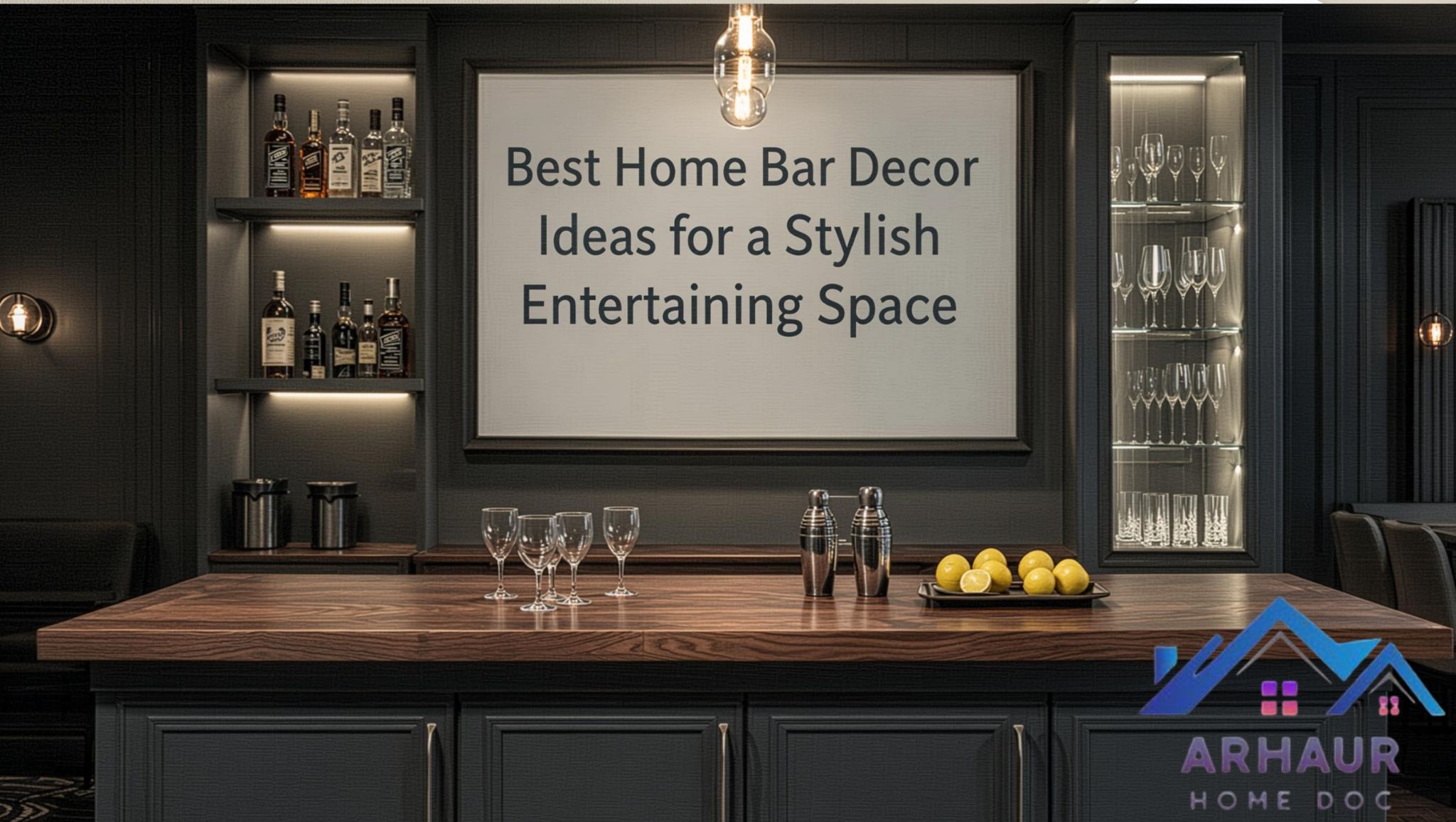
Best Home Bar Decor Ideas for a Stylish Entertaining Space
A home bar has a way of changing the mood of a room before a single drink is poured. Thoughtful home bar decor can turn an unused corner, a plain cabinet, or a forgotten section of the dining room into a welcoming place where people naturally gather.
The goal is not to recreate a commercial pub inside your house. A successful bar area should feel connected to the rest of your interior, easy to use, and personal enough that guests remember it. Whether you have room for a built-in wet bar or only a narrow cart, the right mix of storage, lighting, glassware, and decorative details can make the space feel complete.
Before buying accessories, think about how you actually entertain. Someone who serves wine occasionally needs a different setup from a person who enjoys mixing cocktails, collecting whiskey, or preparing alcohol-free drinks for family gatherings. Function should shape the design from the beginning.
It also helps to decide how visible you want the bar to be. Some homeowners prefer a dramatic focal point with illuminated shelves and bold color, while others want a discreet cabinet that can be closed when not in use. Both can feel polished when the design responds to the room rather than competing with it.
What Is Home Bar Decor?
Home bar decor is the combination of functional and decorative elements used to create an attractive beverage-serving area inside a home. It includes cabinetry, carts, shelving, lighting, seating, glassware, trays, artwork, tools, and accessories that support entertaining while fitting the surrounding interior style.
A well-designed bar area balances appearance with practical use. Bottles should be secure, frequently used tools should be easy to reach, and glassware should be stored safely. Decorative objects then add atmosphere, whether the look is modern, traditional, industrial, rustic, coastal, or glamorous.
Infographic: “The Complete Home Bar Formula” showing six elements—location, storage, work surface, lighting, glassware, and personal style. Alt text: Infographic explaining the six elements needed for a functional and stylish home bar.
Unlike a display shelf filled only for appearance, a bar should make serving easier. There needs to be enough clear surface for pouring, garnishing, and setting down glasses. Items should be grouped logically so the host is not searching through several cabinets while guests wait.
The strongest spaces also have a sense of restraint. A few well-chosen bottles, attractive tools, and meaningful details usually create more impact than covering every shelf with signs, novelty objects, and mismatched glassware.
Start With the Right Location
The best location is one that supports the way your home already functions. A bar in the dining room can serve dinner parties, while one near the living room works well for casual gatherings. A kitchen bar offers access to water, ice, and refrigeration, and a basement setup can become part of a larger entertainment zone.
Look at traffic flow before committing to a position. Guests should be able to approach the bar without blocking a doorway, kitchen work triangle, or main walkway. If stools are included, leave enough room behind them for people to sit and others to pass comfortably.
A small alcove, unused closet, shallow wall, or section beneath the stairs may provide more potential than it first appears. Even a wide hallway can hold a narrow console if it does not interfere with movement. In open-plan homes, the bar can help define the transition between dining and living spaces.
Nearby electrical outlets are useful for a refrigerator, lamp, blender, ice maker, or coffee machine. Plumbing is only necessary for a wet bar, and many attractive setups work perfectly without a sink.
Choose the Right Type of Home Bar
The available space, budget, and level of use will determine whether you need a built-in structure or a flexible piece of furniture.
Built-In Bar
A built-in bar offers the most integrated appearance and can be customized around appliances, bottle storage, glassware, and the proportions of the room. Cabinetry may match the kitchen or introduce a contrasting color and material.
This option works best for homeowners who entertain regularly and expect to use the bar for years. It requires a higher investment, but careful planning can create valuable storage and make an awkward wall much more useful.
Bar Cabinet
A freestanding cabinet is a practical middle ground. It offers concealed storage and can often be moved if the room changes. Look for adjustable shelves, sturdy doors, drawers for tools, and enough internal height for bottles.
A cabinet also keeps breakable items and alcohol less accessible to children. Lockable models are available when greater control is needed.
Bar Cart
A cart is ideal for apartments, small rooms, and occasional entertaining. Wheels allow it to move between the kitchen, dining area, and patio, although they should lock securely when the cart is parked.
Choose a cart with a strong frame and raised edges that reduce the chance of bottles sliding. Two tiers usually provide enough room without encouraging clutter.
Dry Bar
A dry bar has no sink or running water. It may be a cabinet, counter, or built-in unit with storage and a work surface. Because it does not require plumbing, it is easier and less expensive to install.
Place it within reasonable distance of the kitchen if you frequently need ice, water, or cleanup. A compact refrigerator can make the station more self-contained.
Wet Bar
A wet bar includes a sink and often features refrigeration, a dishwasher drawer, or an ice maker. It is useful in basements, outdoor rooms, and large entertaining spaces located far from the kitchen.
Plumbing, ventilation, electrical work, and waterproof materials should be planned professionally. A wet bar can be convenient, but only when the extra equipment justifies the cost and maintenance.
Plan Storage Before Styling
Good storage keeps the bar attractive when it is not being used. Begin by listing what you intend to keep there: bottles, wine, mixers, glassware, tools, napkins, serving boards, coffee supplies, or alcohol-free beverages.
Closed cabinets are useful for backup stock, colorful packaging, and items that create visual clutter. Open shelves are better for attractive glassware, decanters, and a small number of display pieces. Combining both provides flexibility.
Wine bottles should generally be stored horizontally when they have natural corks and will remain unopened for an extended period. Keep them away from direct sunlight, vibration, and major temperature changes. Wine intended for longer storage may require a dedicated cooler with appropriate temperature control.
Drawers are ideal for bottle openers, corkscrews, strainers, coasters, cocktail picks, and cleaning cloths. Use dividers to prevent tools from shifting into a tangled pile.
Do not use every available inch. Shelves look more polished when objects have space around them, and a partially empty cabinet gives you room to add supplies before a gathering.
Home Bar Decor Styles to Consider
A bar should relate to nearby furniture and architecture, but it can still have a stronger personality than the rest of the room. Because it occupies a defined area, it is a good place to experiment with color, pattern, and reflective materials.
Modern
Modern bars favor clean lines, smooth cabinetry, simple hardware, and a limited palette. Matte black, walnut, white oak, stone, smoked glass, and brushed metal create a refined foundation.
Keep accessories edited. A sculptural decanter, matching glasses, and one piece of artwork may be enough. Concealed lighting and handle-free cabinets can strengthen the streamlined look.
Traditional
Traditional bars may include paneled cabinetry, brass hardware, dark wood, framed artwork, beveled mirrors, and classic glassware. Rich green, navy, burgundy, and warm brown create an established atmosphere.
Avoid making the room feel overly formal by introducing plain upholstery, clean countertops, and a few contemporary objects.
Industrial
Industrial designs use blackened steel, reclaimed wood, exposed brick, concrete, and cage-style lighting. Open shelves and visible hardware suit the look, but practical organization is important because everything remains on display.
Balance hard surfaces with leather stools, warm bulbs, rugs, or wood grain so the area does not feel cold.
Rustic
Rustic bars rely on natural texture, aged wood, stone, woven baskets, pottery, and relaxed styling. Vintage crates or shelves can add character, provided they are structurally safe and easy to clean.
Avoid leaning too heavily on themed signs. Authentic materials and useful objects create a stronger sense of place than repeated slogans.
Glamorous
A glamorous bar may feature mirrored panels, lacquered cabinetry, marble, fluted glass, velvet seating, and polished brass. Lighting plays an important role, reflecting from glass and metallic surfaces.
Choose one or two luxurious finishes as focal points. Too many reflective details can make a small bar visually busy.
Coastal
Coastal interiors work well with pale wood, woven textures, white cabinetry, sea-glass colors, and relaxed linen. The style should feel light rather than themed.
Use subtle references through color and material instead of filling the space with anchors, shells, and nautical signs. You may read this: Handmade Home Decor Ideas for a Beautiful Personal Home.
Lighting That Creates the Right Mood
Lighting is central to home bar decor because the area is often used in the evening. A single bright ceiling light may provide visibility, but it rarely creates an inviting atmosphere.
Install under-shelf lighting to illuminate bottles and glassware. Small recessed spots, LED strips, or integrated cabinet lights can work, provided the color temperature feels warm and the fittings are concealed.
Pendant lights are effective over a counter or island. Their scale should relate to the width of the surface, and they should hang high enough not to block conversation or sightlines.
Wall sconces, picture lights, and small table lamps create softer pools of light. A lamp on a bar cabinet can make the area feel like part of the living room rather than a utility station.
Dimmers allow brighter light during preparation and softer illumination once guests arrive. Use electrical products rated for the intended location, particularly near sinks or outdoor areas.
Select Glassware You Will Actually Use
A bar does not need a separate glass for every possible drink. Begin with the beverages you serve most often, then add specialty pieces only when they have a clear purpose.
A practical starting collection may include:
- Multipurpose wine glasses
- Short tumblers or rocks glasses
- Tall highball glasses
- Champagne glasses for celebrations
- A water carafe and everyday tumblers
- Mugs or heat-safe glasses if the station includes coffee
Matching sets create order, but they do not need to be expensive. Clear, well-proportioned glassware often looks more elegant than highly decorative pieces that are difficult to replace.
Vintage glasses can add color and individuality. Check for chips, cracks, instability, or decoration that may not be suitable for food use. Hand-wash delicate or metallic-trimmed pieces when required.
Avoid stacking glasses unless they are designed for it. Crowded shelves increase the risk of breakage and make service slower.
Essential Bar Tools and Accessories
You do not need an oversized professional kit. A small collection of dependable tools handles most home entertaining needs.
Useful basics include:
- Corkscrew and bottle opener
- Jigger or measuring tool
- Cocktail shaker
- Bar spoon
- Strainer
- Small cutting board and knife
- Ice bucket and tongs
- Coasters
- Cloths for immediate cleanup
Choose tools that feel comfortable in the hand and are easy to wash. A coordinated finish can create visual consistency, but performance matters more than appearance.
Store sharp tools securely, particularly in homes with children. Knives should not be left loose in an open drawer or displayed where they can be easily reached.
A small bowl for citrus, a container for cocktail picks, and a dedicated waste bowl can improve workflow during a party. Remove perishable garnishes and wash tools after use rather than leaving them as part of the display.
Small-Space Home Bar Ideas
Limited space does not prevent a useful setup. In fact, a compact bar often feels more intentional because every item must earn its place.
A narrow console can hold a tray, lamp, and essential bottles. Store glasses and tools inside drawers or nearby cabinets. A wall-mounted shelf above it adds display space without increasing the footprint.
A shallow cabinet in the dining room can serve as both bar storage and a buffet. During gatherings, clear the top and use it for drinks; on ordinary days, style it with a lamp and artwork.
Inside a closet, install shelves, a countertop, and lighting to create a bar that disappears behind doors. Confirm ventilation and safe electrical installation if appliances are included.
A kitchen cabinet can also become a beverage station. Remove one shelf or add organizers to create room for bottles, glasses, coffee, or alcohol-free options. This works especially well for households that prefer the bar to remain discreet.
Alcohol-Free and Family-Friendly Beverage Stations
A home bar does not have to center on alcohol. The same principles can create a coffee bar, tea station, sparkling-water setup, or mixed beverage area for guests of all ages.
Store syrups, tea, coffee, glassware, mugs, and serving tools in clearly defined zones. Refrigerated drawers or a small cooler can hold juice, sparkling water, fruit, and dairy products where appropriate.
Use attractive bottles or jars only when their contents are labeled clearly. Keep allergen information and dietary needs in mind when serving a group.
For parties, provide appealing alcohol-free options rather than treating them as an afterthought. Fresh citrus, herbs, flavored ice, and good glassware can make simple drinks feel considered.
A family-friendly station should place breakable glass, sharp tools, and alcohol beyond children’s reach. Lower shelves can hold cups, napkins, and sealed drinks that are safe for them to access independently.
Common Home Bar Decor Mistakes
The first mistake is allowing decoration to consume the working surface. A bar that looks attractive but leaves no space to prepare a drink is not functioning properly. Keep the center or one side of the counter clear.
Another common problem is displaying too much. Rows of bottles, signs, glasses, books, and accessories can make the area look like storage rather than a designed feature. Edit the collection and rotate special pieces instead of showing everything at once.
Poor lighting can make even expensive cabinetry look flat. Add targeted light at shelf and counter level, then use warmer ambient lighting to create atmosphere.
Incorrect stool height, inadequate clearance, and blocked walkways are more serious than cosmetic issues. Test the layout before purchasing furniture.
Neglecting maintenance is another mistake. Dust on bottles, fingerprints on glass, dried citrus, and sticky trays quickly reduce the appeal of home bar decor. Build simple cleaning into the routine after each use.
Finally, avoid copying a commercial bar too literally. Your home should remain comfortable and personal, not feel like a themed venue. Use hospitality spaces for inspiration, then adjust the scale, materials, and atmosphere to suit everyday living.
Budget-Friendly Ways to Upgrade the Space
Begin by reorganizing what you already own. Remove unused tools, consolidate duplicate glasses, clean bottles, and arrange items by height. Editing can improve the bar before any money is spent.
Paint is one of the most effective upgrades for a cabinet, niche, or shelf backing. A deep color can make inexpensive glassware look more deliberate, while a warm neutral can brighten a dark corner.
Replace dated knobs or handles with a simple coordinated finish. Measure existing holes before buying hardware to avoid unnecessary drilling.
Add a rechargeable lamp, framed print, tray, or small mirror. These items create atmosphere without requiring construction.
Second-hand stores are useful sources for trays, decanters, stools, ice buckets, glassware, and cabinets. Inspect each piece carefully for damage, stability, and food-safe condition.
Spend more on the elements that affect function and safety, including sturdy furniture, reliable lighting, durable surfaces, and secure storage. Decorative objects can be added gradually.
Frequently Asked Questions
Where is the best place to put a home bar?
Choose a location near the area where you entertain most often, such as the living room, dining room, kitchen, basement, or patio. It should remain accessible without blocking walkways or essential kitchen functions.
What should every home bar include?
At minimum, provide a stable surface, secure bottle storage, appropriate glassware, a bottle opener or corkscrew, measuring tools, coasters, and a way to manage ice. The exact setup should reflect the drinks you actually serve.
How can I make a home bar look expensive?
Use restrained styling, warm layered lighting, coordinated hardware, clean glassware, and a limited material palette. One strong finish, such as stone, dark paint, or aged brass, can create more impact than many inexpensive accessories.
Can I create a bar without alcohol?
Yes. Coffee, tea, sparkling water, juices, and alcohol-free mixed drinks can form a complete beverage station. Attractive glassware, fresh garnishes, organized storage, and good lighting create the same sense of occasion.
How do I decorate a small bar cart?
Keep the top tier focused on serving with a tray, a few bottles, glasses, and one decorative detail. Use the lower tier for backup supplies, books, or an ice bucket. Leave some empty space so the cart remains usable.
Should glassware be stored upside down?
Glasses stored in enclosed cabinets may be placed upright to protect delicate rims. In open or dusty areas, upside-down storage can keep the interior cleaner, but the surface must be clean and rims should not bear unsafe pressure. Follow the manufacturer’s care guidance.
What lighting is best for a home bar?
Warm, layered lighting works well. Combine ambient light with under-shelf strips, pendants, sconces, or a small lamp. Dimmers provide brighter illumination for preparation and softer light for entertaining.
How do I keep the area from looking cluttered?
Use trays, drawers, closed cabinets, and a limited display collection. Keep backup stock hidden, group similar objects, leave space between items, and preserve a clear section of countertop for serving.
Conclusion
A memorable bar area is not defined by its size, the price of its materials, or the number of bottles it holds. It succeeds when it makes entertaining easier and feels naturally connected to the home around it.
Start with location, storage, and a useful work surface, then add lighting, glassware, seating, and personal details in measured layers. When function remains visible beneath the styling, home bar decor creates a welcoming place that feels ready for both spontaneous evenings and carefully planned celebrations.